
When the Government of Malawi announced the removal of secondary school fees in government schools effective January 2026, it marked an important step towards improving access to education for vulnerable children. For many, this policy can easily be misunderstood as the end of the education struggle for poor families. However, at Mbedza Project Support, through our MOEP programme, we continue to see that poverty in Malawi goes far beyond school fees. Kelvin’s story helps explain why.
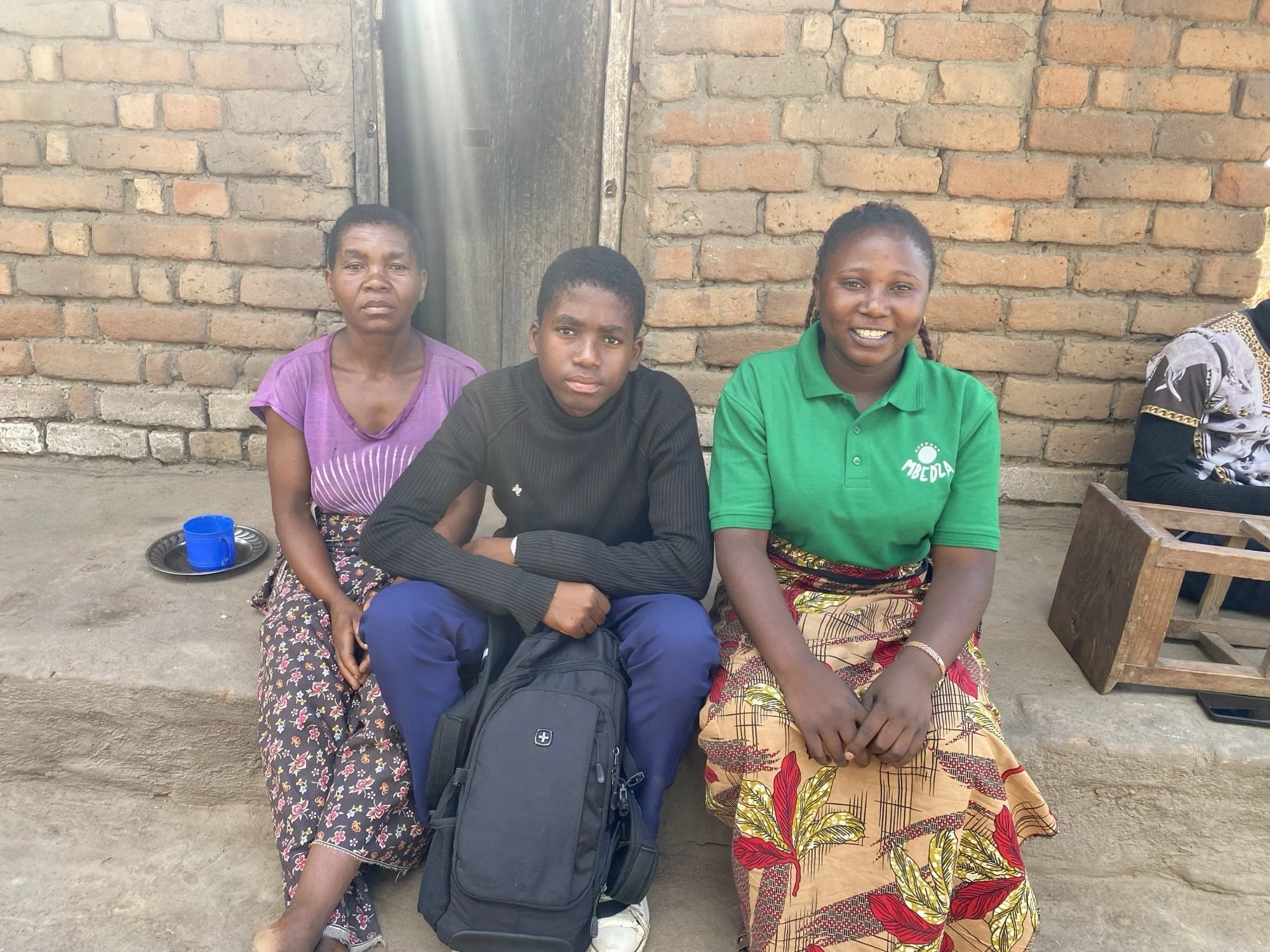
Kelvin is a Form One student living with his single mother, like many families we support. His mother depends on piece work for survival, a reality shared by millions of Malawians. Piece work refers to small, informal jobs that people do for others and are paid immediately after the work is completed. This may include farming on someone else’s land, washing clothes, cleaning houses, carrying loads, or other short-term tasks. The income from piece work is very low and unpredictable. Some days there is work; many days there is none. When there is no work, there is no money, and often no food.
This unstable way of life affected Kelvin deeply during his primary school years. He was frequently sent home for failing to pay small school-related contributions, often referred to as school funds. This is one of the reasons, despite Primary Education being ‘free’, that Primary completion rates are low - 33% according to a UNICEF study.
Even more challenging was hunger. Many mornings, Kelvin went to school without eating, making it difficult to concentrate or participate in lessons. At times, he missed school entirely because there was simply no food at home. His mother’s dependence on piece work was not a choice but a necessity, an attempt to survive day by day.
Today, even though secondary school fees have been removed, Kelvin still faces serious barriers to education. Free schooling does not provide food, school materials, uniforms, or emotional support. These are essential for a child to remain in school and succeed. Hunger, lack of notebooks and pens, poor living conditions, and low morale continue to push many students to the edge of dropping out.
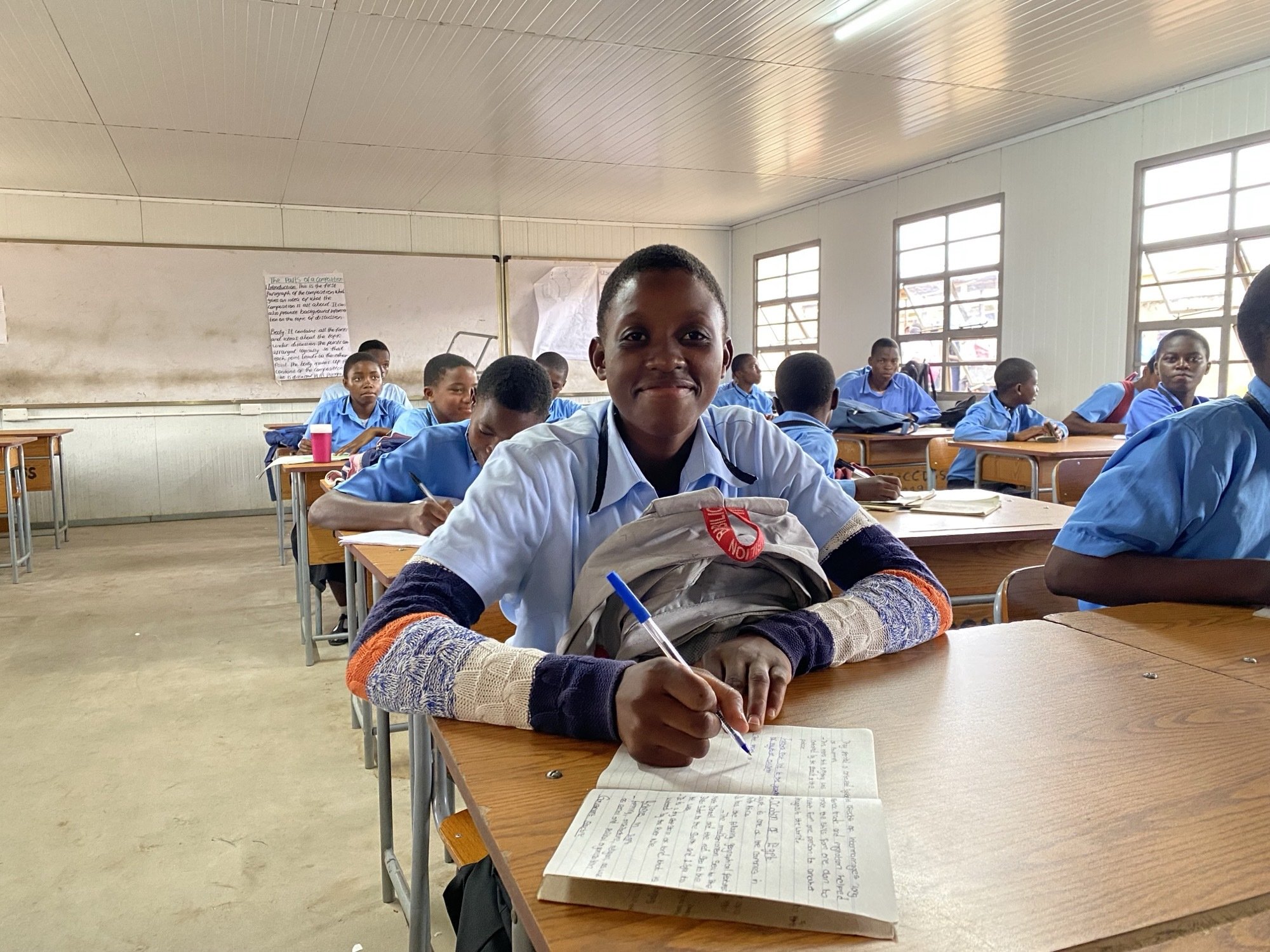
MOEP students returned to school January 5th 2026.
Kelvin’s experience is shared by many students supported by MOEP. When we say these children are poor, we mean poverty from many angles: unstable income, food insecurity, lack of basic learning materials, and constant uncertainty about tomorrow. Education cannot thrive in an environment where survival is the daily priority.
MOEP’s support programmes are designed to address all the factors that might prevent students from staying in school - fees, exam fees, shoes, uniform, school equipment, food, emotional support and encouragement, safeguarding, home support including stoves and food resilience packages.