
Planting trees in Malawi comes with many challenges. At the end of the day, whether it’s from the donor’s perspective in the UK or from the community’s perspective in Malawi, we are especially interested in tree survivability and keeping tree loss to the minimum. Tree loss is a fact of life though.
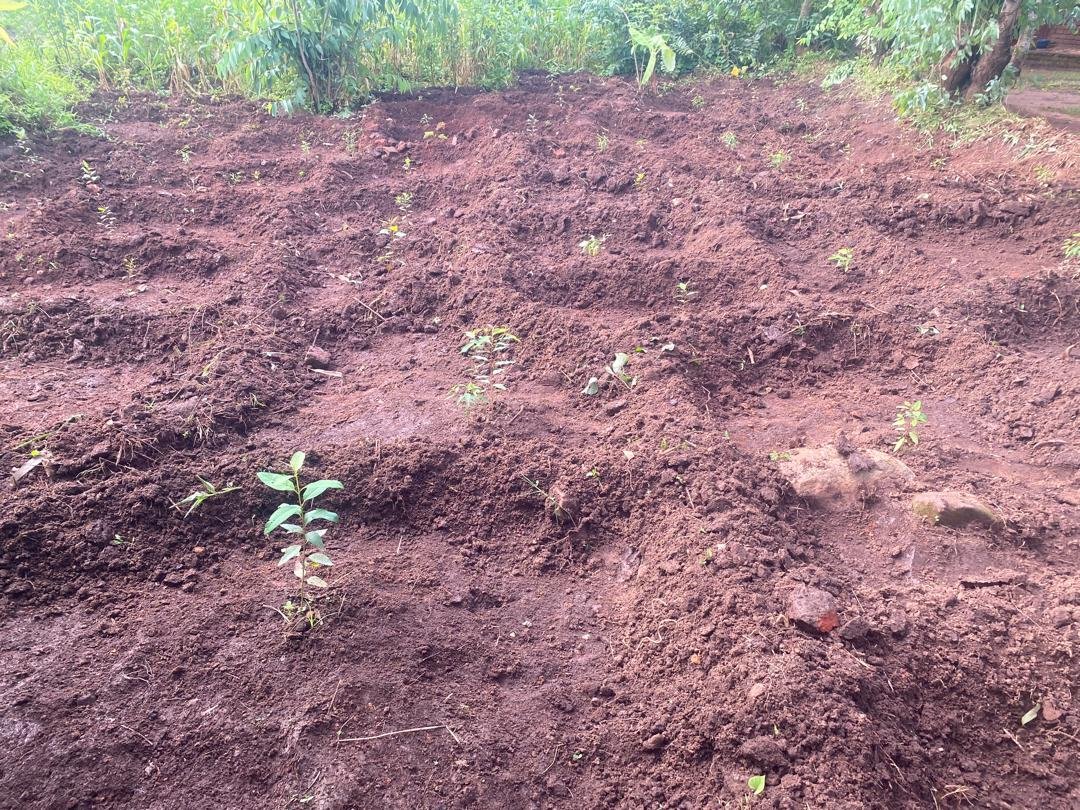
The start of a woodlot. Here the community have just planted a woodlot of 4550 trees and each sapling has a ring of ridges around it to help retain rainwater. Imagine the amount of work needed to do this for 4550 saplings! At this stage the saplings are at their most vulnerable.
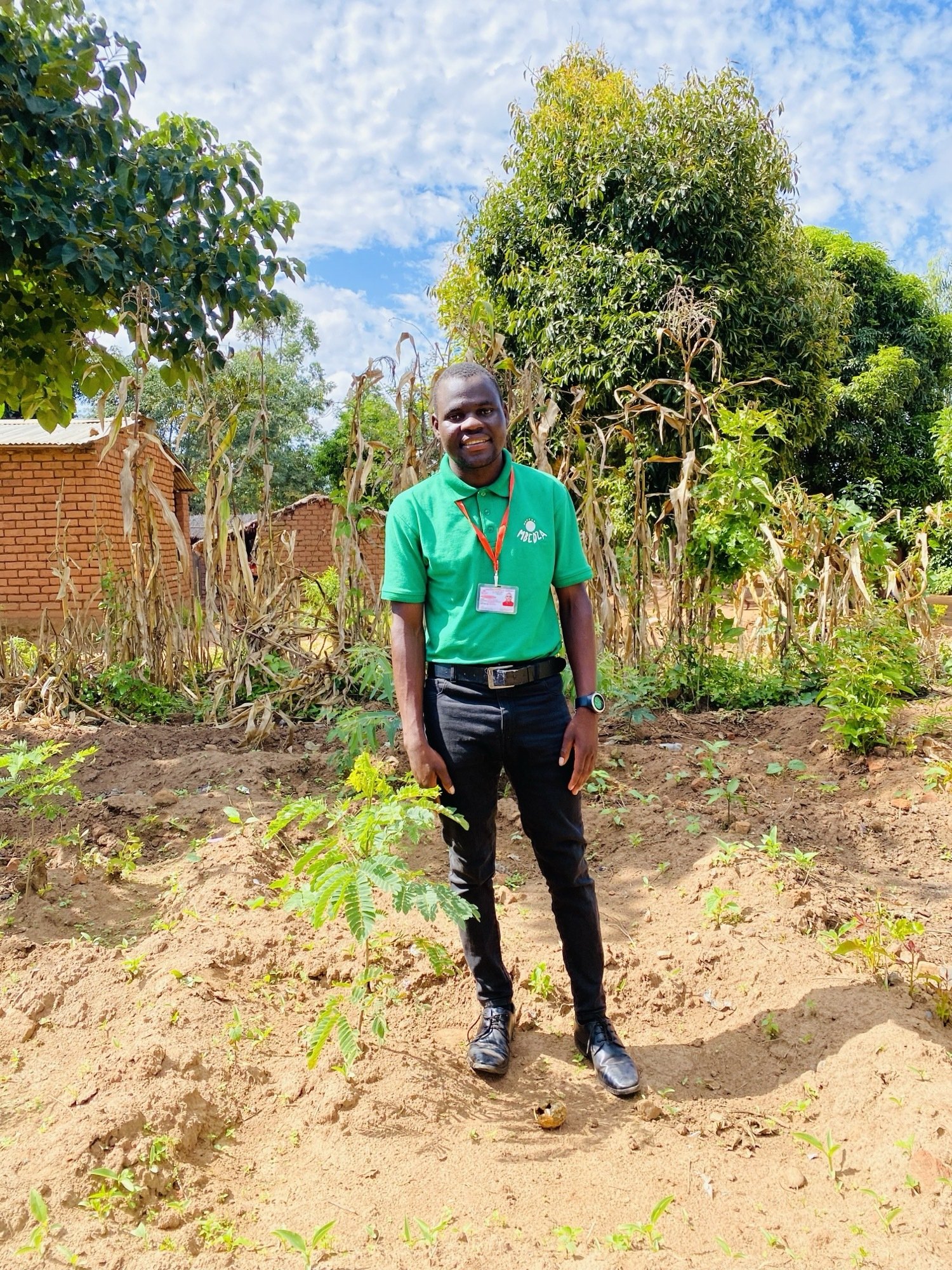
Our monitoring team are out in the field every day visiting our Mbedza woodlots and also the trees that are given to households. In April 2026 we have 89 active projects all at different stages of growth in 46 locations. Most of our tree projects are around Zomba but we also have others in Monkey Bay. Our field officers work to a tightly organised monitoring schedule to monitor tree growth, check on any tree loss and also look at other factors that might affect the project.
All together we have almost 150,000 trees and our team are tireless in monitoring and counting every one of them. We have tools to report tree losses and examine the factors causing it. This enables the team to direct their efforts where they are most needed and work with communities to create solutions.
Photo: Mbedza field officer James Mataka
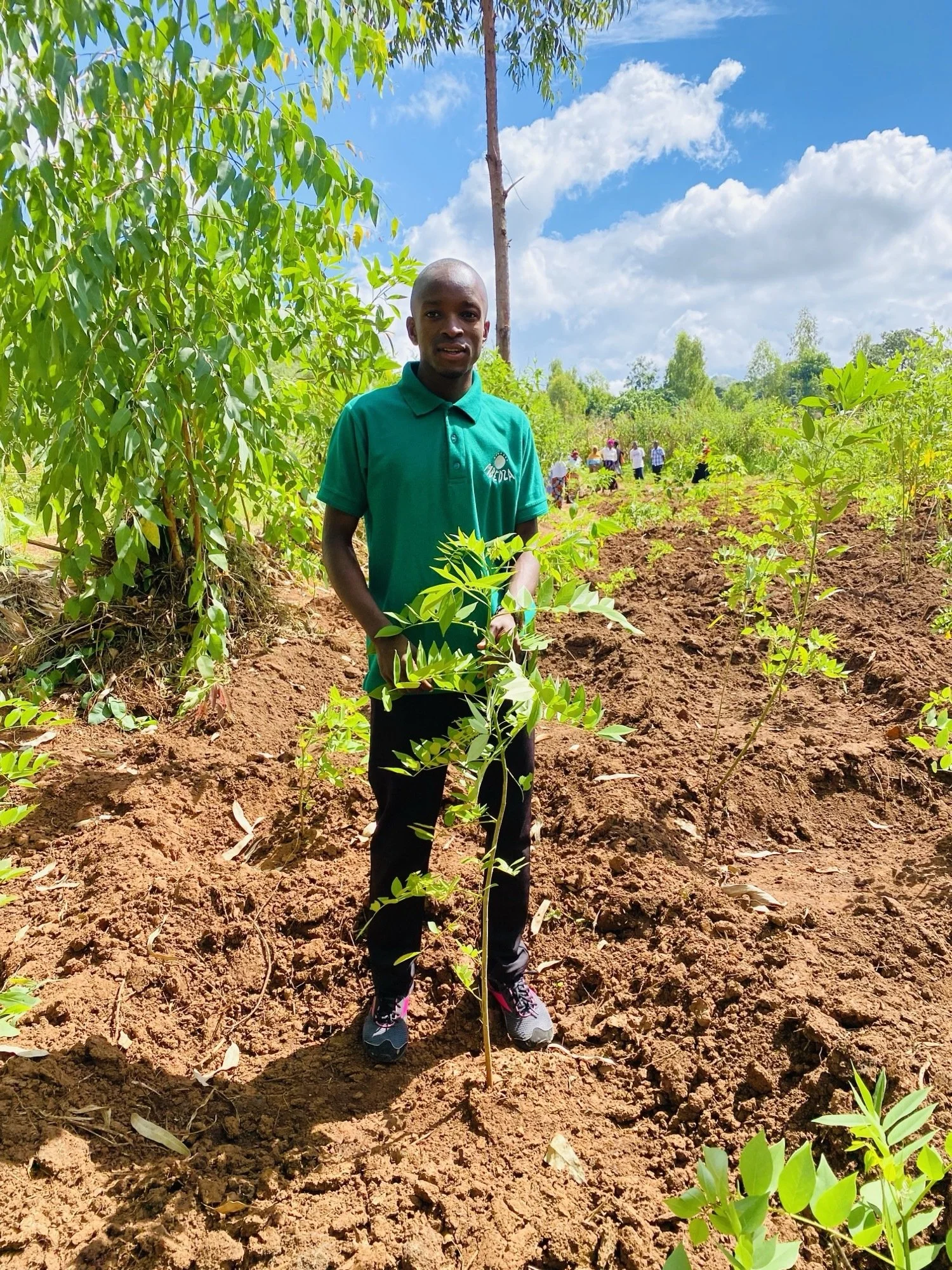
Tree loss can be catastrophic from factors beyond our control. We can think of examples caused by cyclones and flooding. There was one occasion when a company ploughed through a woodlot to build a road. For most projects though tree loss is often small and occurs most often in the early stages when the saplings are most vulnerable. Young and small saplings are easily damaged by animals such as goats or children playing carelessly. Soil conditions can contribute or drought periods.
Photo: Mbedza Field Officer Kenneth Kazembe
In January 2026 we planted 30,500 trees and three months later 97.51% of the trees have survived so far. We consider this a great success. That said, the results vary from project to project. It was a delight recently when our team were at Chiunde village and all of the newly planted trees were counted and checked - that was all 6000 of them. 5970 had survived the first three months. We have to congratulate the Chiunde community for their oversight and dedication in also monitoring and taking care of their trees.
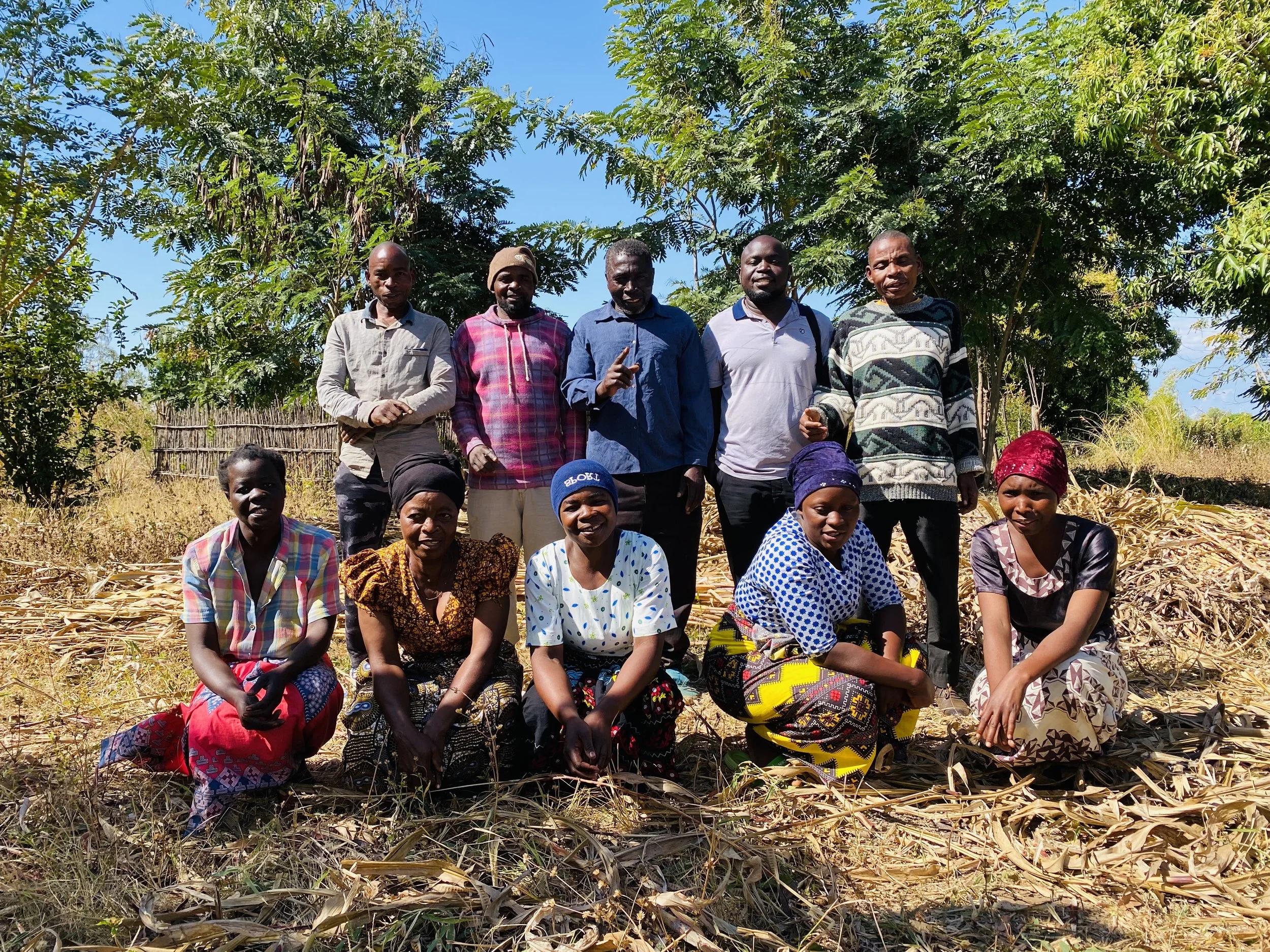
This village development committee is from Chilambe, back row second from the right is Richard Malili, Mbedza’s Environment Director. Chilambe are also producing outstanding results.
When the Mbedza team visit a project they do not only assess the tree loss but also examine tree growth, the community commitment to the project, the level of community cohesion and the role of the local chiefs and village development committees. All these contribute to a successful project.
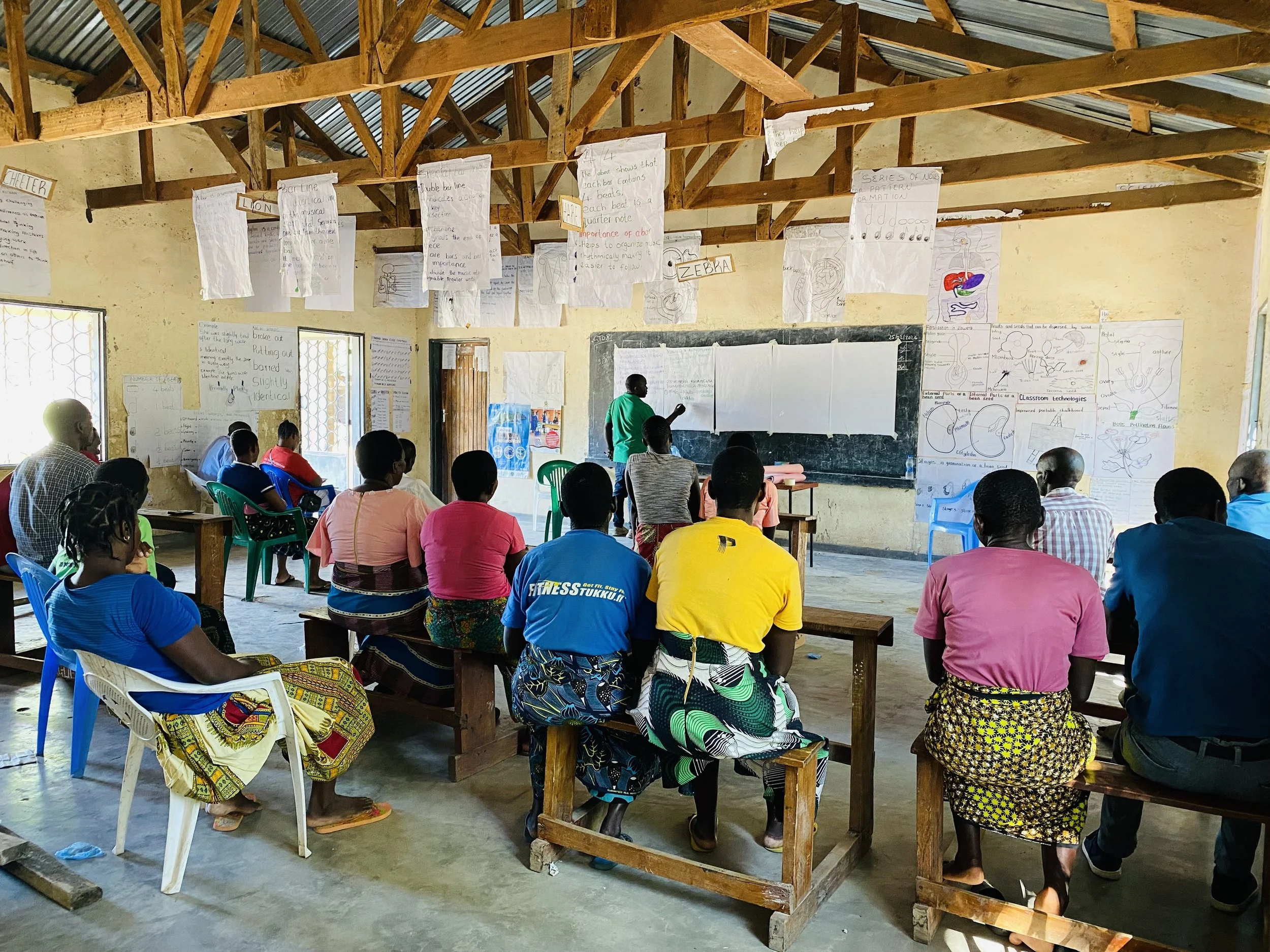
Richard Malili conducting training with village development committee members in Monkey Bay.
It would be easy for us just to talk about success but we are not hiding the challenges that can occur. So, whilst Chiunde village can celebrate their 99.5% survival rate so far, we have other projects who have suffered some significant tree loss. Some of these are in our school programmes where losses are highest. We will be working closely with these education communities to understand all the contributory factors and devise an action plan to prevent further losses. Some saplings can be replaced in these early stages.