Mbedza is a small organisation and throughout its history we have had to make decisions about what it is that Mbedza can do and equally what it cannot do. We are anticipating that the most likely impact of El Nino on Malawi is drought resulting in a poor harvest. The last El Nino was in 2023, and this article explains its impacts - https://divisi.africa/insights/malawi-el-nino-land-prep-drought-tolerant-maize-legumes/
The impact in the Southern region was a 42% reduction in the expected harvest. This 2026/2027 El Nino is expected to be worse and is being called a super El Nino. Additionally, Malawi has in recent years suffered the impacts of cyclones, erratic rain, floods and high inflation caused by wars in other parts of the world. This has made fertiliser unaffordable for many, and hunger is all pervasive and on the increase.
We realised in 2015, and still now, that with our limited resources we could not be a disaster relief charity and in 2015 when Mbedza was registered we made the decision that our focus had to be developmental. There are other much better equipped and funded organisations that do food relief and work with farmers and agriculture.
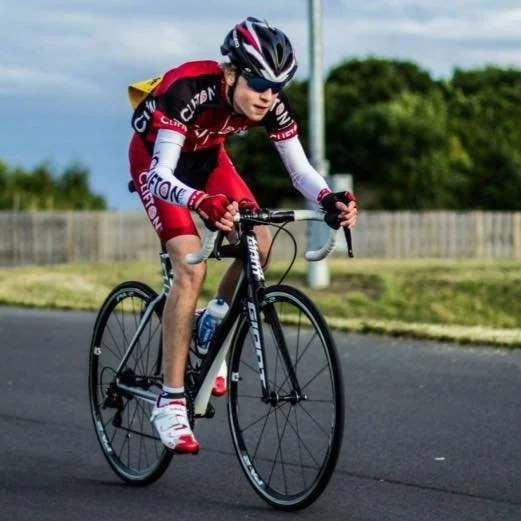
In 2015 there was severe hunger and our communities appealed to us for help. One student cycled 170 miles in one day from Morecambe Bay in Lancashire, over the Pennines and finished in Bridlington on the East Coast. The sponsorship funds he raised helped us supply communities with Maize. I still remember an old lady saying, ‘do you mean I’m going to eat today!?’
The photo shows Laurence from Manor CE Academy on his 170-mile bike ride. Laurence had visited Malawi in 2014 with his school group; the year we completed our first stove building project at Mbulukuta village.
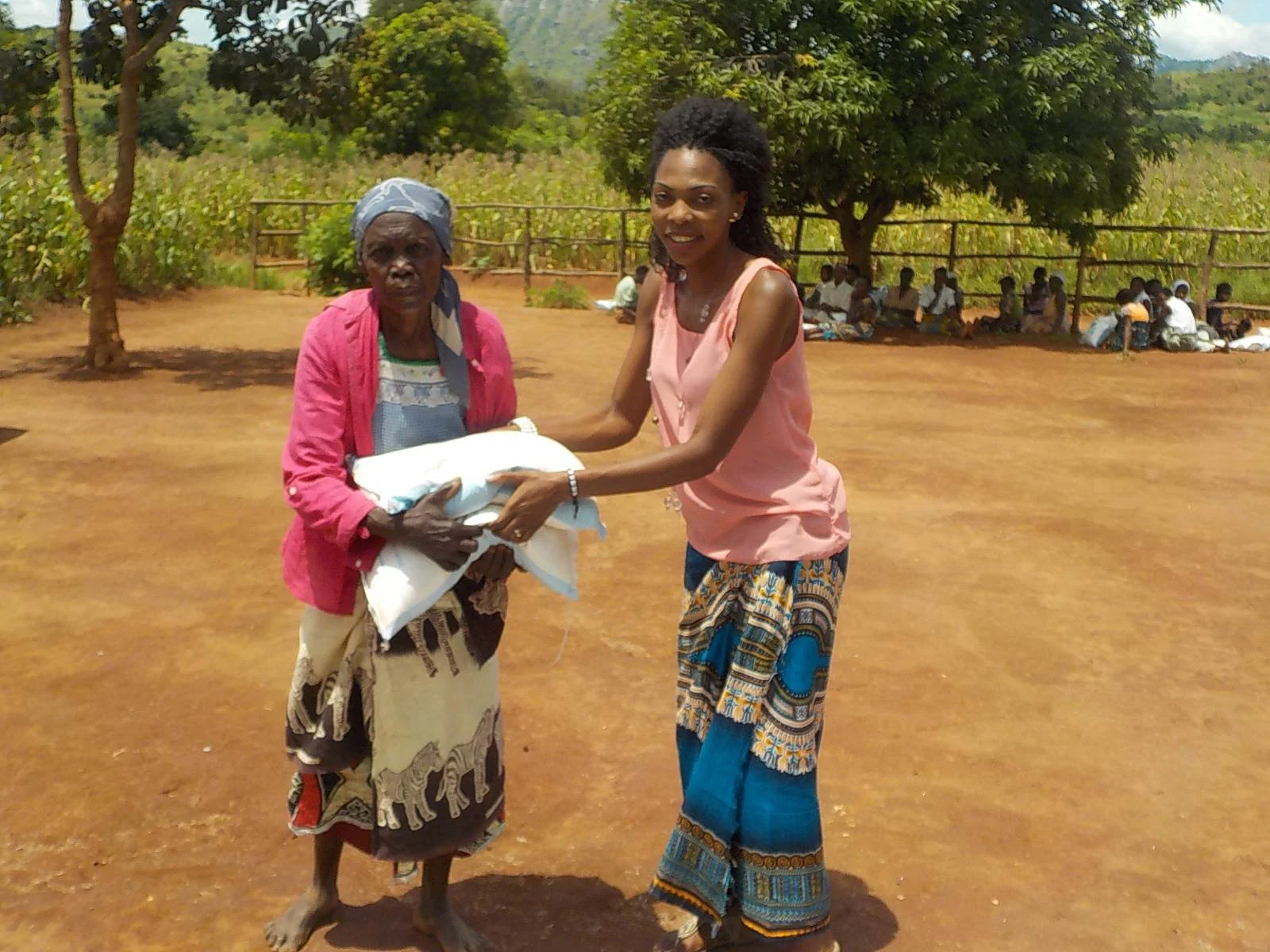
The outcome in 2015 was that we were able to distribute food to hungry communities, and you can see in the photo Mbedza’s Nina Gunde involved in that distribution.
In 2015 the funds we spent on food distribution could have provided 30 orphans with access to a Secondary School Education or built 200 Esperanza stoves – positive developments in education and livelihoods. It was helpful at the time to have the debate about what Mbedza should or should not do and we decided we had to focus on development.
Since 2015 Mbedza’s strategy has been to build resilience into economically challenged communities with interventions that are mutually supporting – health, livelihoods, environment and education interventions. Our environment programme introduced in 2019 focusses on tree planting and restoring depleted environments. Since 2023 however the debate about our role in addressing hunger has returned. Cyclone Freddy in 2023 destroyed harvests in our project communities and there has been no year since then when households have been able to grow enough food to live. We have noticed increasing hunger.
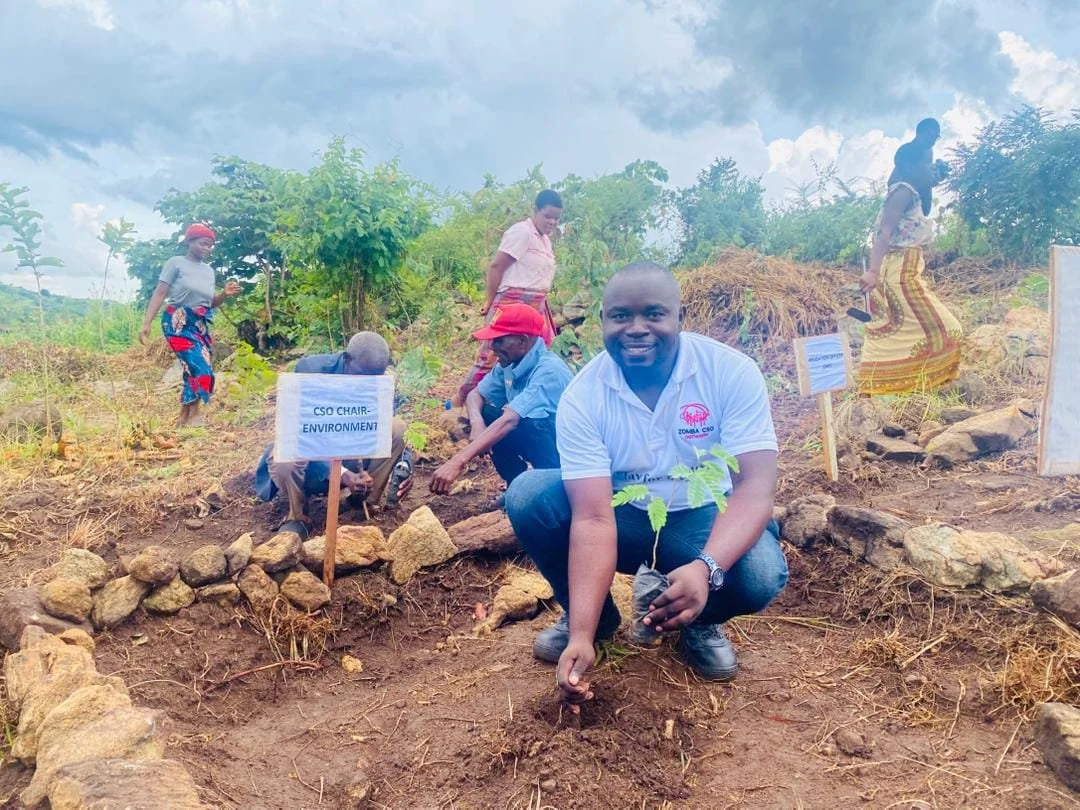
In 2024 we were fortunate to have the expertise of Richard Malili who became our new Environment Director. Since then, and in recognition of the growing hunger in our project communities we have introduced Tiyeni training. The Tiyeni method teaches farmers how to grow food without the need for expensive and unaffordable chemical fertilisers. The method uses deep beds of organic compost manure and helps restore soil fertility. It is not a magic bullet but will rely on farmers slowly working over many years to transform their plots of land.
We have also introduced food resilience training for our Orphan Education students and are exploring how we can introduce different methods of food resilience in other programmes. All this is happening on a very small scale – we are still a small organisation.
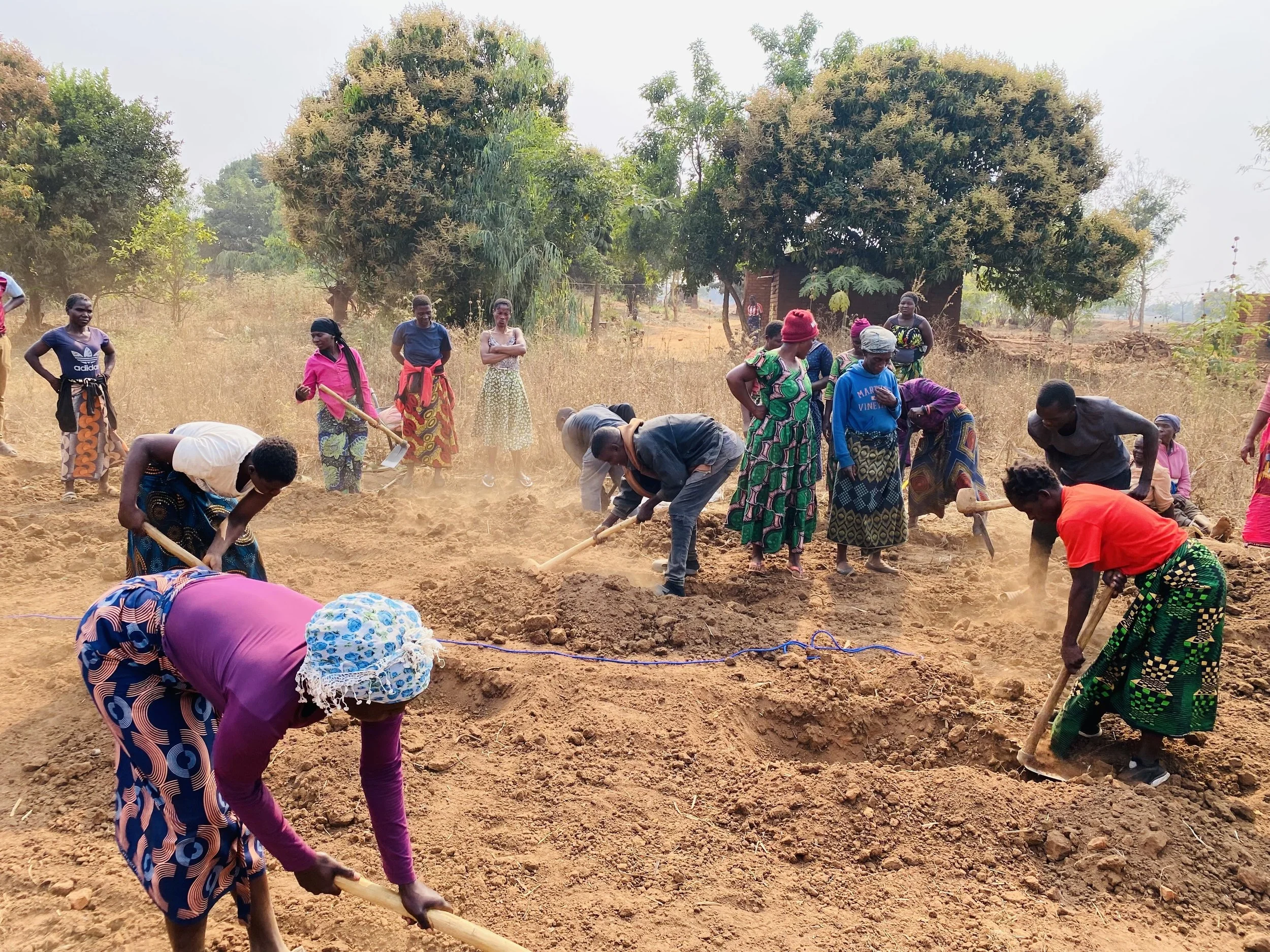
Farmers at Namakoka village prepare their plots for the Tiyeni programme. These soils desperately need nourishment after generations of farming dependent on chemical fertilisers.
It will be for government programmes and larger organisations to prepare Malawian farmers for the impending El Nino. Nevertheless, in our project communities, Richard provides advice to help guide farmers. As hunger deepens, we will be reviewing the implications project by project. An example will be with our stove building where we have already encountered households saying to us ‘why are you building me a stove when I have no food to cook on it?’ In our orphan education programme, we have been able to set aside funds to start food resilience training this term. At our maize mill we offer the cheapest milling prices compared to competing mills, helping households accumulate more funds to alleviate their hunger.
We are expecting 2026 to 2027 to be very challenging.