
From the very early beginnings of our sanitary kit programme it has been a struggle to raise the funds to sustain this vital work. We are delighted that with support from both individuals, schools, churches and grants we are now from a very small start making and distributing 1200 kits/year. Our aspiration is to go beyond that of course.
Alongside the making of the kits we have taken a special interest in improving and developing the sex and relationship education that is provided when our Mbedza team speak to girls. Mbedza operates in communities of deep material poverty, secondary school completion rates are less than 15% and for those who are able to be in school there are many factors that affect their attendance. The foremost is hunger and the second is illness. For girls you can add to that one week each month where the lack of an adequate sanitary provision results in further school absence.
We conducted research recently to assess the impact of the programme. For our UK and European readers we should remind you that students in school are often much older than you would expected for the stage they have reached. This is a result of poverty and missed or repeated years. Here are some of those findings:
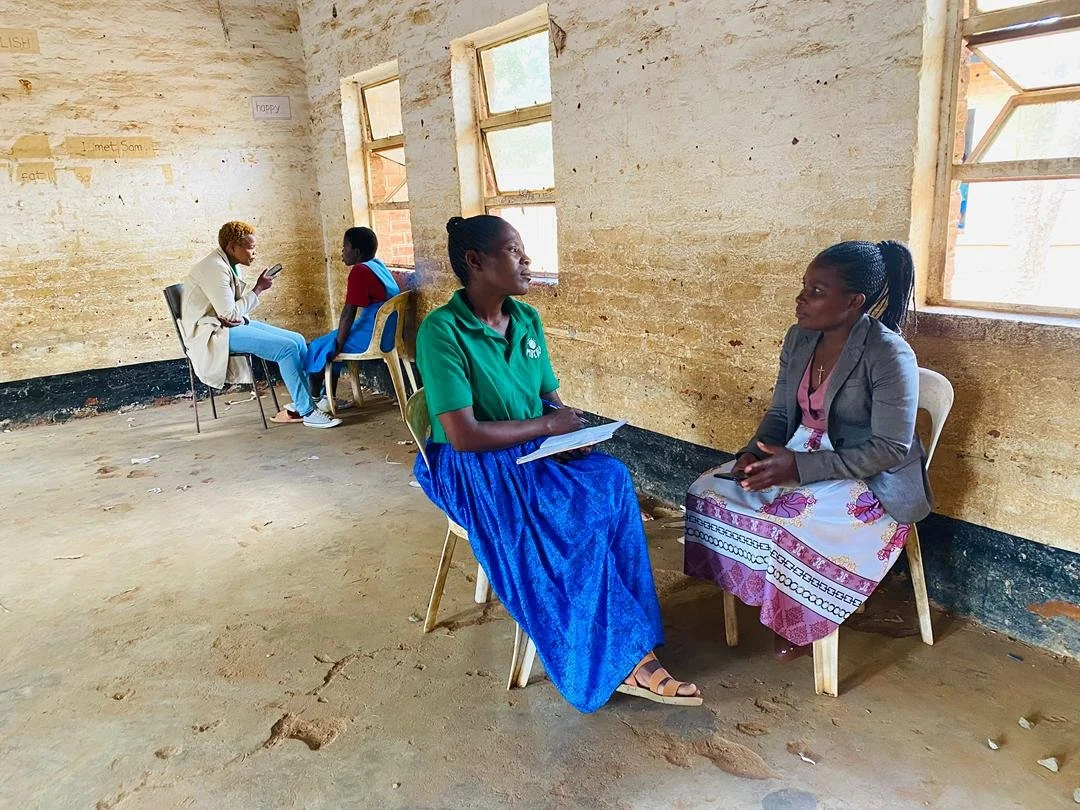
Mbedza’s Head of Comms and HIV Counsellor conduct interviews with teachers and students
Angella (age 16) is a beneficiary from a primary school, before receiving the pads, she relied on "nyanda" (traditional cloth materials) during menstruation. Using nyanda was difficult because it was unstable and unable to absorb her heavy menstrual flow adequately. As a result, she frequently worried about menstrual leakage and staining her school uniform. One particularly embarrassing incident occurred when she stained her uniform at school. Fortunately, she was able to cover herself with a cloth and return home. The fear of staining often affected her concentration and confidence at school.
Since receiving reusable sanitary pads, Angella no longer misses classes due to menstruation. She reports significant improvements in her school attendance and academic performance. The pads have also increased her confidence. She no longer worries about checking her uniform constantly for stains and feels more comfortable participating in school activities.
The awareness sessions strengthened her decision-making skills regarding relationships. She believes that having a boyfriend at her age could negatively affect her education and future opportunities. Angella remains grateful for the support received and frequently reflects on how difficult menstruation management was before accessing reusable pads.
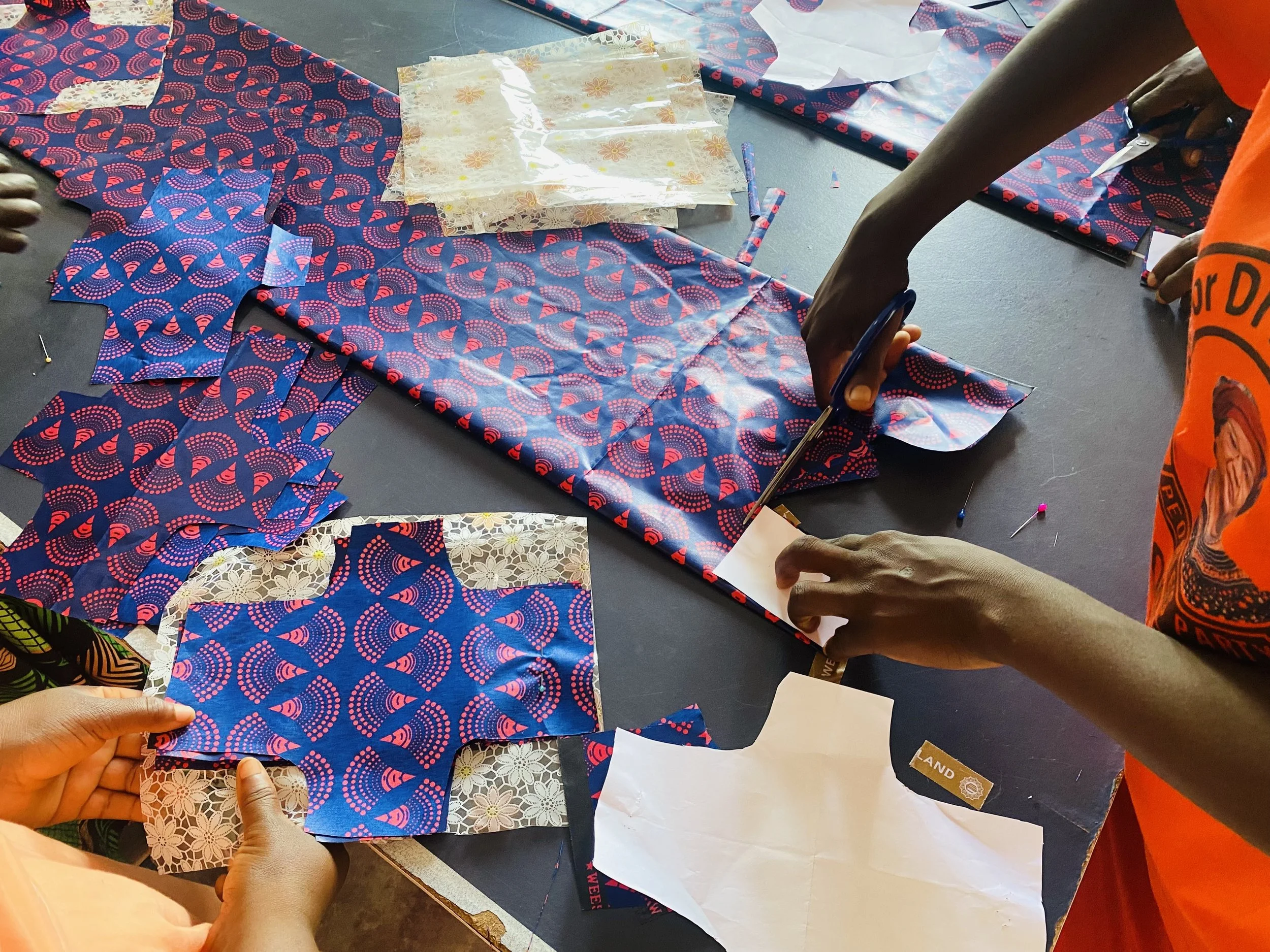
Sanitary Kit making at Mbedza’s Songani Hope and Wellness Centre
Aisha’s (age 15) story mirrors that of many girls like Angella from rural communities, where most girls rely on nyanda during menstruation. When Aisha experienced heavy menstrual flow, she often missed school because she feared staining her uniform. Through sex and relationship sessions, she gained vital knowledge about menstrual self-care, built her confidence, and learned how to make informed decisions about her future.
Today, Aisha confidently refuses unwanted advances from boys and men and is empowered to protect her health, education, and dreams. Every girl deserves access to information, dignity, and the opportunity to stay in school. Empowering girls with knowledge and life skills is transforming lives.
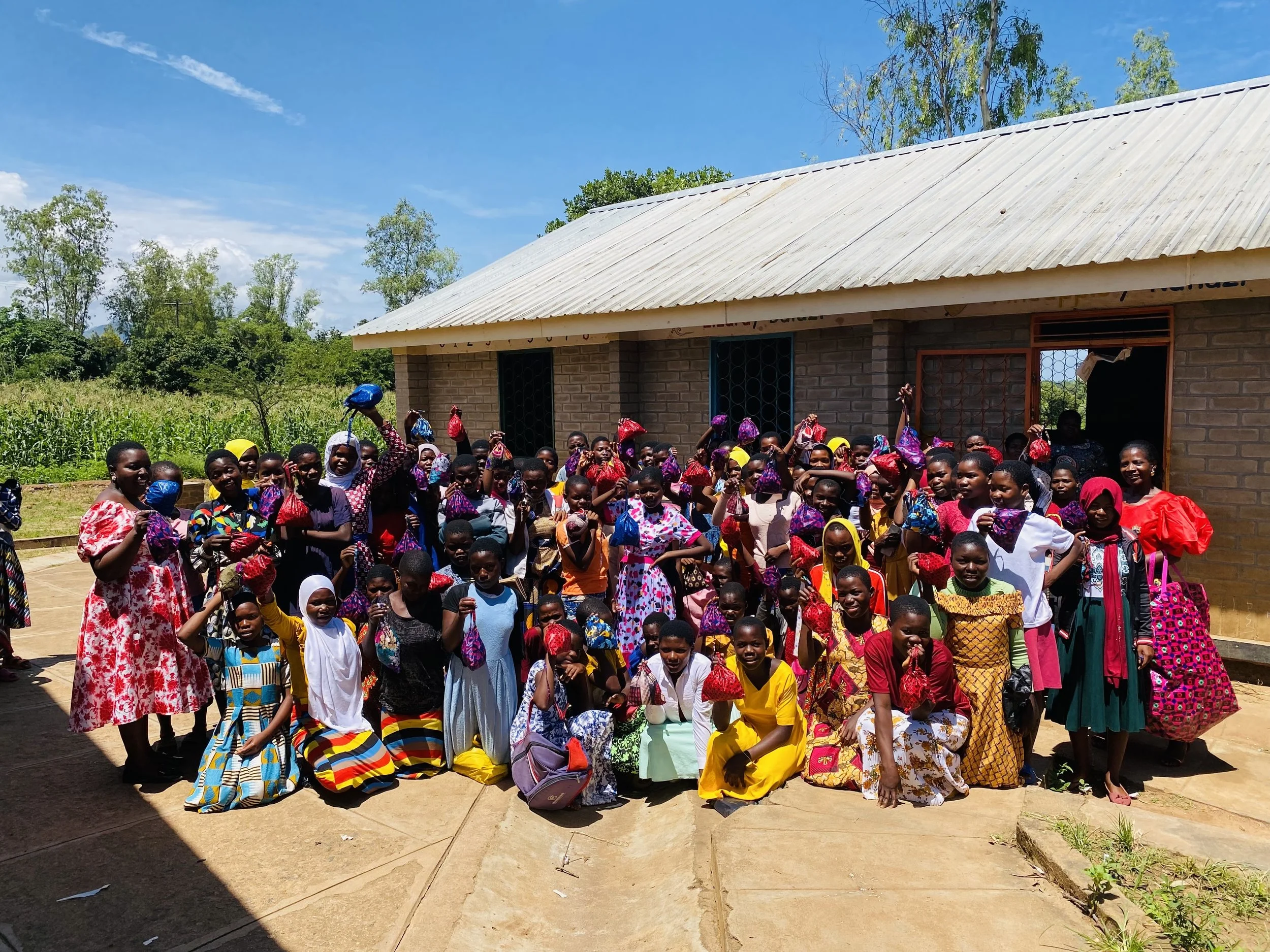
Innocencia (age 13) dreams of becoming a doctor. Her favorite subjects are Science, Agriculture, and Mathematics. She attends primary school where some classes have over 100 learners. Previously, Innocencia relied on disposable sanitary pads provided by an individual supporter. When the supporter relocated, access to pads became uncertain. After receiving Mbedza’s reusable sanitary pads, she found them more practical because they can be washed and reused multiple times.
The comfort and reliability of reusable pads allow her to attend school confidently, even when she anticipates the start of her menstrual period. The life skills sessions also taught her the importance of avoiding risky sexual behavior and focusing on her education and future goals. She believes these lessons will help her achieve her dream of becoming a doctor.
One of the surprising outcomes of this programme has been the impact on boys who also have listened carefully to the sex and relationship education:
Brave (16 years old) attends primary school, previously experimented with having a girlfriend, which resulted in intervention from the girl's parents. Through the awareness sessions, he learned about the consequences of early sexual relationships, including school dropout, unintended pregnancy, HIV, and sexually transmitted infections (STIs). He now believes that primary school learners should focus on education rather than romantic relationships. Brave expressed interest in learning practical skills for managing sexual urges and responding to peer pressure or unwanted advances.
Pilirani (16 years old) a standard 6 learner at primary school discussed experiencing normal adolescent changes, including sexual attraction and arousal. He explained that he manages these feelings by focusing on his future educational goals. The sessions helped him understand the risks associated with early sexual relationships and motivated him to prioritize education.
He has attempted to encourage friends to avoid early relationships, although some peers dismissed his advice. Pilirani expressed interest in learning more about healthy relationships and understanding the benefits and responsibilities associated with them.
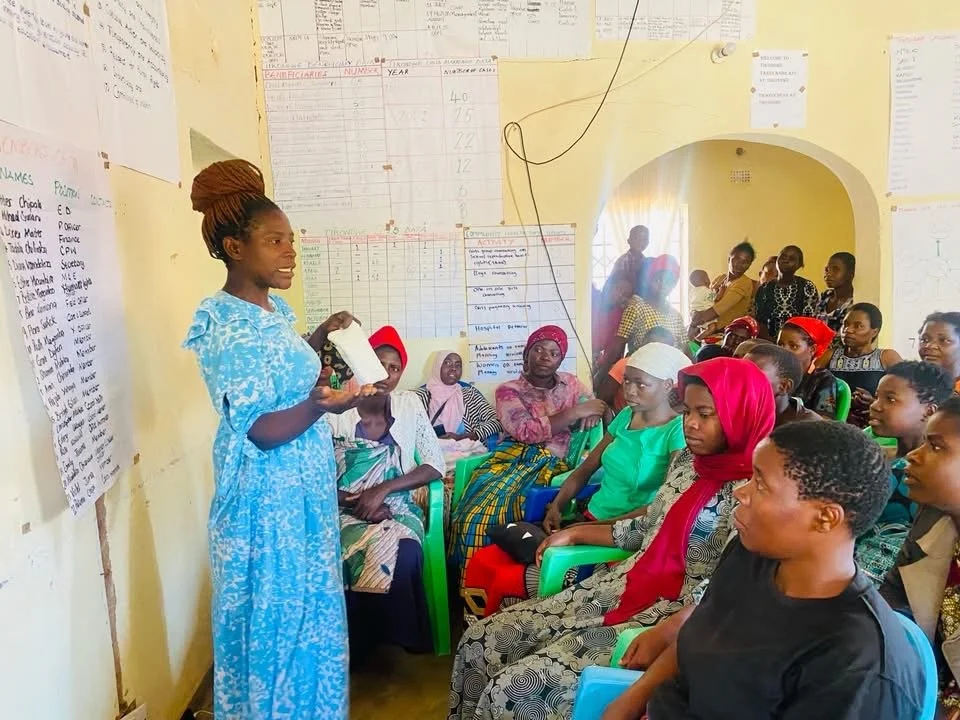
Bainatu providing education and guidance in school.
Mbedza continues to develop the programme and following further research we have developed a sex and relationship toolkit that we will be putting into affect over the coming months.